
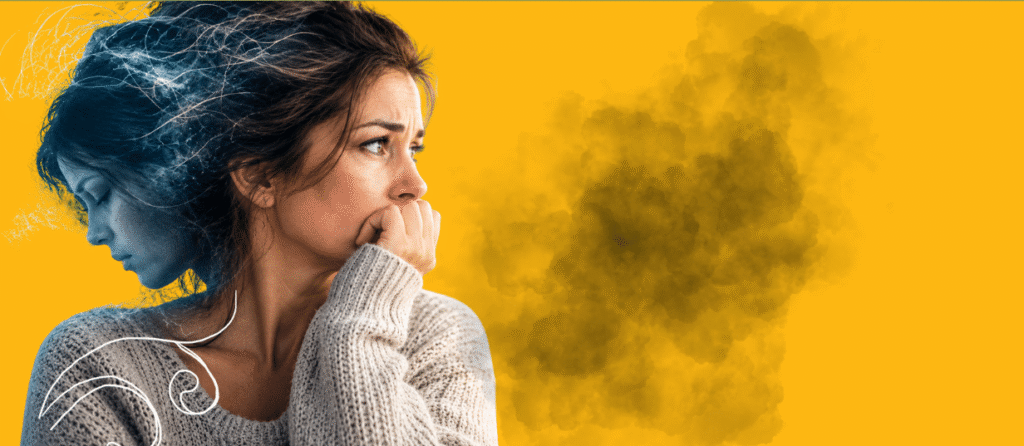
Why Do Small Things Trigger Such Big Emotional Reactions?
You may notice that a minor inconvenience, a change in someone’s tone, or a small disagreement causes a reaction that feels much bigger than the situation itself.
You might become intensely angry, anxious, hurt, or overwhelmed, then wonder why your response feels so strong.
Sometimes, you recognize that the situation was relatively small but still feel unable to calm down. You may criticize yourself for overreacting or worry that something is wrong with you.
Strong emotional reactions are often connected to more than what is happening in the present moment. Current experiences can bring up memories, beliefs, or emotional patterns shaped by earlier relationships and stressful events.
Understanding these triggers can help you respond with greater awareness and self-compassion.
Why Small Things Can Feel So Significant
Your nervous system is constantly evaluating whether you are safe, accepted, and in control.
When something in the present resembles an earlier experience of rejection, criticism, abandonment, or conflict, your body may respond as though the original threat is happening again.
For example:
- A delayed text message may trigger fears of being ignored.
- A partner asking for space may feel like abandonment.
- Constructive feedback at work may bring up feelings of shame or inadequacy.
The present situation may be relatively minor, but the emotional meaning attached to it can feel much larger.
Common Signs That You Have Been Triggered
Emotional triggers can affect your thoughts, feelings, body, and behavior. You may notice:
- A sudden surge of anger, fear, sadness, or panic.
- Feeling rejected, criticized, trapped, or abandoned.
- Racing thoughts or an urge to immediately solve the problem.
- Muscle tension, a rapid heartbeat, or difficulty breathing.
- Shutting down, withdrawing, or feeling emotionally numb.
- Becoming defensive or saying things you later regret.
- Replaying the interaction repeatedly in your mind.
Some people respond by moving toward conflict, while others avoid, freeze, or disconnect. These reactions are often protective responses that developed for a reason, even if they are no longer helpful in the current situation.
How Past Experiences Can Shape Present Reactions
Earlier experiences can influence the expectations you carry into current relationships and situations.
If you grew up around frequent criticism, you may become highly sensitive to signs that someone is disappointed in you. If important people in your life were unpredictable or emotionally unavailable, changes in closeness may feel especially threatening.
Traumatic experiences can also affect how your nervous system responds to reminders of danger.
This does not mean every intense reaction is caused by trauma. Stress, anxiety, depression, relationship difficulties, and ongoing pressure can also make emotional responses more difficult to regulate.
The important question is not whether your reaction is justified or unreasonable. It is what your reaction may be communicating about your needs, fears, and past experiences.
Why Telling Yourself to “Calm Down” May Not Work
When you feel overwhelmed, you may try to reason your way out of the reaction. You might tell yourself that you’re being irrational, that the situation isn’t a big deal, or that you should simply let it go.
But self-criticism often increases distress.
It can be more helpful to acknowledge what’s happening: Something about this situation feels threatening to me right now.
This doesn’t mean assuming your fear is accurate. It means recognizing what you’re feeling without immediately dismissing it.
Once you feel more grounded, you may find it easier to distinguish between what’s happening now and what the situation reminds you of.
How Therapy Can Help You Understand Emotional Triggers
Therapy can help you identify patterns in your emotional reactions and explore the experiences that may have shaped them.
You may begin to recognize:
- Specific situations that trigger strong reactions.
- Recurring beliefs and fears.
- Protective behaviors that affect your relationships.
- Ways to regulate intense emotions and communicate your needs.
Trauma therapy may be helpful when current reactions are connected to unresolved traumatic experiences. You can explore these experiences at a pace that feels manageable while developing a stronger sense of safety and control.
You don’t have to remember every detail of your past or have a formal trauma diagnosis to explore emotional triggers in therapy.
When Should You Seek Help?
Consider speaking with a mental health professional if your reactions:
- Feel difficult to control.
- Interfere with your relationships or work.
- Leave you feeling ashamed or confused.
- Cause you to avoid situations or withdraw emotionally.
- Leave you feeling constantly on edge.
At SoulRise Psychotherapy, trauma therapy offers an opportunity to explore emotional triggers, strengthen emotional regulation, and understand how past experiences may be affecting your present life.
If small things are causing reactions that feel overwhelming, you deserve support in understanding what is happening.
Learn more about Trauma Therapy at SoulRise Psychotherapy.